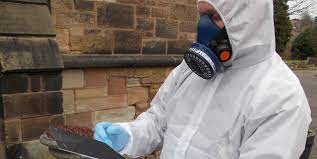
If you own or manage an older property, you’ve likely heard about the dangers of asbestos testing. This naturally occurring mineral was once a popular building material, praised for its fire-resistant and insulating properties. Today, we understand that when disturbed, asbestos fibers can be released into the air and, if inhaled, lead to serious health issues.
This is where professional asbestos testing becomes crucial. Before you start any renovation, repair, or demolition project in a building constructed before the 1990s, understanding whether asbestos is present is a critical first step. This guide explains what you need to know about the process and why it’s a job best left to the experts.
About Asbestos Testing
What is asbestos testing?
Asbestos testing is the process of safely collecting samples of materials suspected to contain asbestos and sending them to an accredited laboratory for analysis. A trained professional identifies potential asbestos-containing materials (ACMs), such as insulation, floor tiles, roofing, and textured ceilings, and follows strict protocols to gather samples without releasing harmful fibers.
Why do I need professional asbestos testing?
Attempting to collect samples yourself is dangerous. Without proper training and equipment, you risk disturbing the materials and contaminating your property with airborne asbestos fibers. This puts you and anyone else in the building at risk of exposure.
Professionals are equipped with personal protective equipment (PPE) and use specific methods to ensure samples are collected safely. They also know exactly where to look for hidden asbestos, ensuring a thorough assessment.
How does the asbestos testing process work?
A certified inspector will conduct a visual assessment of your property to identify potential ACMs. They will then carefully collect small samples of these materials, placing them in sealed bags to prevent contamination. These samples are sent to a NATA-accredited laboratory, where they are analyzed using advanced microscopy techniques to confirm the presence and type of asbestos.
What happens if asbestos is found?
If the laboratory analysis confirms the presence of asbestos, the professional will provide you with a detailed report. This report will outline the location, condition, and type of asbestos found on your property. Based on these findings, they will recommend the next steps, which could include management in place, encapsulation, or professional removal. Having this official documentation is essential for ensuring safety and compliance with regulations.
Ensure Your Property is Safe
Don’t guess when it comes to asbestos. Engaging a professional for testing provides peace of mind and a clear, safe path forward for managing your property. It’s an essential investment in the health and safety of everyone who enters your building. If you have an older property and are planning any work, schedule a professional asbestos inspection today.